

Cost Segregation for Rental Property: Tax Benefits, 100 Percent Bonus Depreciation, and Recapture
Cost segregation can substantially accelerate depreciation on rental property, especially under the current federal 100 percent bonus depreciation rules. Learn how the strategy works, which assets can qualify, how passive activity rules can limit the deduction, what happens when the property is sold, and why California investors need a separate depreciation analysis.

Section 1231 Losses: When Rental and Business Property Losses Are Ordinary
A loss on rental or business property can receive favorable ordinary loss treatment under Section 1231, but that does not always mean the entire loss is immediately deductible. Learn how annual netting, passive activity rules, basis and at risk limits, excess business loss rules, depreciation recapture, and the five year lookback affect the final tax result.

Foreign Sellers of California Real Estate: FIRPTA and Form 593 Withholding Rules
Foreign sellers of California real estate can face both federal FIRPTA withholding and California Form 593 withholding at closing. Learn how the 15 percent FIRPTA rule works, when withholding can be reduced, how Form 8288 B is used, and how California gain based withholding, 1031 exchanges, and installment sales affect the transaction.

Depreciation Recapture on Rental Property: Sections 1245, 1250, and the 25% Rate
Selling depreciated rental property can create several different types of taxable gain. Learn how Sections 1245 and 1250 work, why rental property depreciation is not simply taxed at 25 percent, and how cost segregation, installment sales, Section 1031 exchanges, related party sales, and suspended passive losses can affect the final tax result.

Section 1231 Tax Rules: Selling Rental Property and Business Real Estate
Selling rental property or business real estate can trigger several different federal tax rules. Learn how Section 1231 gains and losses are calculated, how depreciation recapture and the five year lookback rule affect the result, and how installment sales, cost segregation, suspended passive losses, and Section 1031 exchanges fit into the analysis.

Real Estate Professional Status: How Rental Property Owners Qualify and Deduct Losses
Real estate professional status can allow rental real estate losses to become nonpassive, but the rules require more than simply working 750 hours in real estate. Learn how the 750 hour and more than 50 percent tests work, how spouse hours and material participation are treated, when rental properties can be combined, and what the Tax Court decision in Mirch v. Commissioner teaches about documenting participation.

Can Rental Income Cause an S Corporation to Lose Its S Election? Passive Investment Income Rules
Rental income does not automatically threaten an S corporation election. The risk generally arises when the corporation has accumulated earnings and profits and more than 25 percent of gross receipts are passive investment income. Learn how the active rental exception, Section 1375 tax, three year termination rule, and E&P planning options work.

Section 1231 Gain on Schedule K1: Tax Rules for Real Estate and Business Investors
Section 1231 gain reported on a Schedule K1 is not automatically taxed as long term capital gain. Learn how partnership Box 10 and S corporation Box 9 flow through Form 4797, how prior Section 1231 losses can create ordinary income, and how passive activity, basis, at risk, and unrecaptured Section 1250 gain rules affect real estate investors.

Suspended Passive Rental Losses: Four Ways Real Estate Investors Can Use Them
Suspended passive rental losses can remain unused for years, but they generally do not expire. Learn four ways real estate investors may be able to use these losses, including passive income, the special rental allowance, former passive activity income, and a qualifying taxable disposition.

How Long Should You Keep Tax Records? Carryforwards Can Require Decades of Documentation
A recent Tax Court case shows why old tax records can remain important decades after a transaction. When a carryforward is used, taxpayers may need to prove where it originated, how it was calculated, and what remains. Learn what records should be preserved for capital losses, AMT credits, NOLs, passive losses, and other tax carryforwards.

Rental Property in an S Corporation: Tax Traps, Exit Costs, and Better Alternatives
An S corporation can own rental real estate, but appreciating property can become expensive to remove. Learn how property distributions, leveraged contributions, LLC elections, liquidation, Section 1031 exchanges, self rental rules, estate planning, former C corporation status, and California taxes can affect the structure.

California 1031 Exchanges and Deferred Gain: Tax Rules for Nonresidents
A 1031 exchange can defer gain from California real estate, but moving out of California does not necessarily eliminate California tax on that deferred gain. Learn how Form FTB 3840 works, how California tracks deferred gain through later exchanges, why California and federal basis can differ, and what proposed Regulation Section 17951-7 could change.

Selling California Real Estate After Moving Out of State: Tax Rules for Nonresidents
Moving out of California does not end California tax exposure on real estate you still own in the state. This guide explains California source gain, Form 593 withholding, former residences converted to rentals, installment sales, Section 1031 exchanges, and what nonresident sellers should review before escrow closes.

Nondeductible IRA Basis: How Form 8606 Can Prevent You From Paying Tax Twice
Nondeductible IRA contributions create tax basis that can remain important for decades. Learn how Form 8606 tracks that basis, how the pro rata rule affects Roth conversions and IRA distributions, and why keeping the right records can prevent previously taxed money from being taxed again.

IRS Missing Return Notices: CP59, CP516, CP518, and What Happens Next
IRS CP59, CP516, and CP518 notices mean the IRS believes a required federal tax return is missing. If the issue remains unresolved, the IRS can calculate tax from third party information. Multiple years, missing records, business income, and substitute returns often require a more detailed review.

California FTB Notice of Proposed Assessment: How to Review and Respond
A California FTB Notice of Proposed Assessment is not yet a final tax bill. Before the 60 day protest period expires, the proposed tax, penalties, federal adjustments, California differences, and supporting records should be reviewed to determine whether the assessment is correct.

IRS Math Error Notices: 60 Day Rights and the Math and Taxpayer Help Act
IRS math error notices can result in immediate tax adjustments, but taxpayers generally have 60 days to request abatement. Learn what IRC Section 6213 provides and when the new Math and Taxpayer Help Act notice rules become effective.

California Residency Audits: What Ajith Teaches About Domicile and Temporary Absences
California residency does not depend only on where you spend the most time. The nonprecedential Ajith decision illustrates how California evaluates domicile, temporary absences, physical presence, and continuing connections when determining whether a taxpayer remains a California resident.

Kwong v. United States: Current Status of COVID 19 Tax Refund Claims
The July 10, 2026 deadline identified for many potential Kwong refund claims has passed, but that does not mean every claim is closed. Learn how IRC Sections 6511, 6532, and 7508A affect current COVID 19 disaster refund claims and why the pending Federal Circuit appeal still matters.
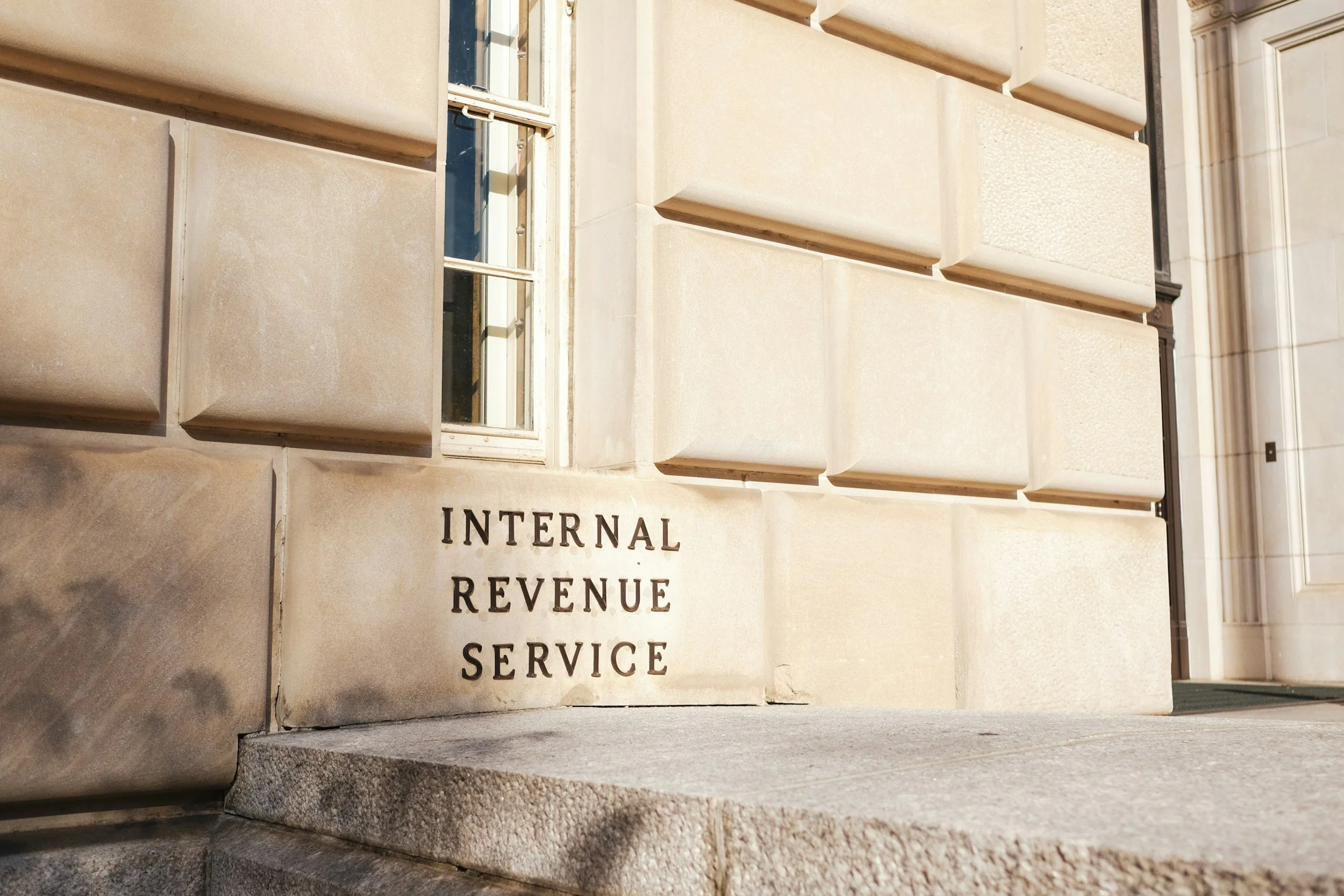
IRS Penalty Abatement: Reasonable Cause, AEP and First Time Abatement
IRS penalty relief changed in 2026 with the introduction of Automatic Exemption from Penalty. Learn how AEP, First Time Abatement, reasonable cause, account transcripts, and current eligibility rules affect IRS penalty notices.