

California Excess Business Loss Limits for 2026: How Federal and State Rules Differ
California has confirmed its 2026 excess business loss thresholds at $320,000 for most individual filers and $640,000 for married taxpayers filing jointly. These limits differ significantly from the federal amounts under IRC Section 461(l). Learn how the rules affect business owners, S corporation shareholders, partners, real estate investors, and future loss carryovers.
2027 Opportunity Zones: New Designations, Capital Gains Tax Benefits, and California Rules
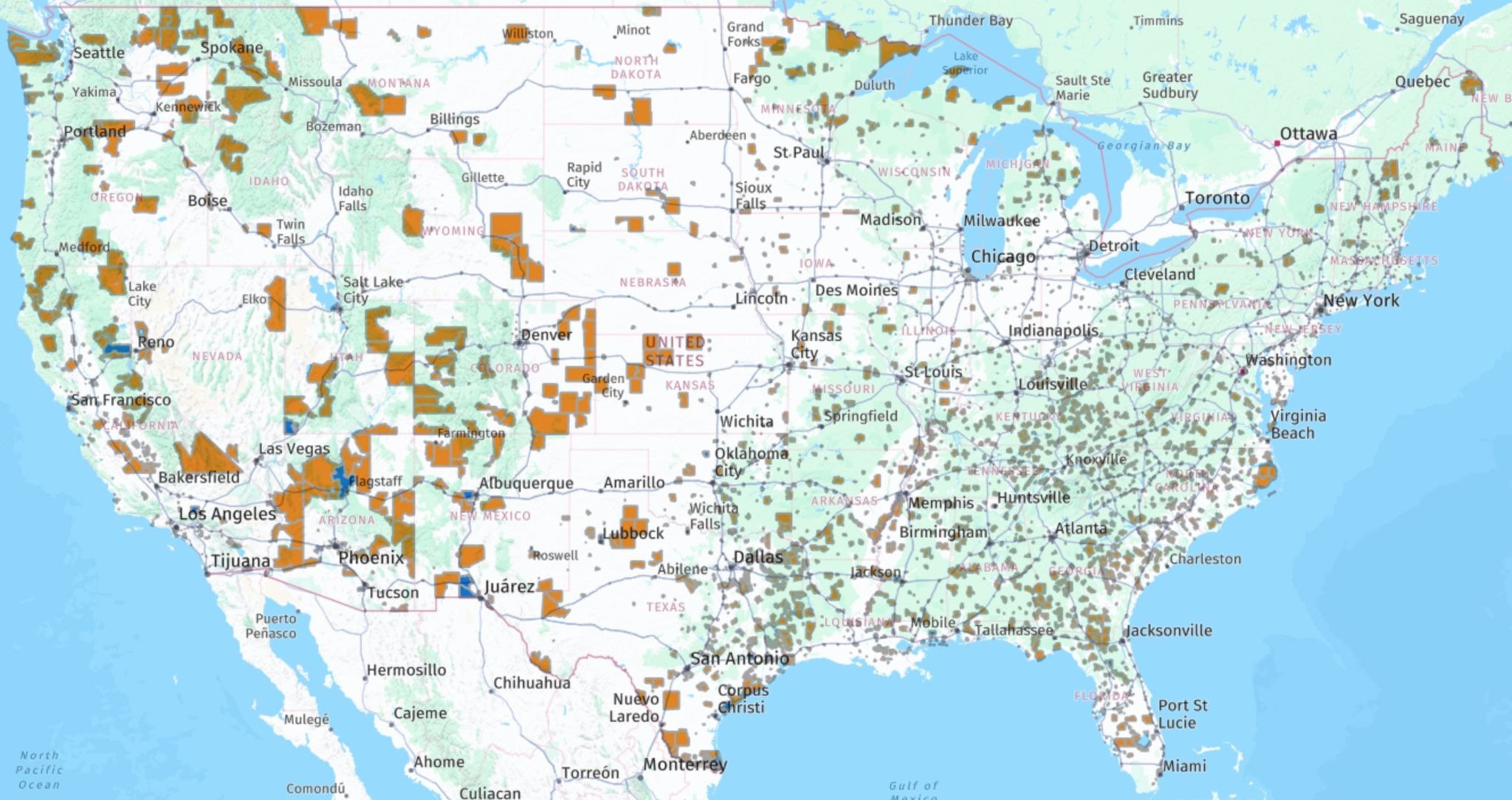
Treasury and the IRS designated 6,576 Qualified Opportunity Zone census tracts effective January 1, 2027, including 2,594 rural tracts. Learn how the new five year capital gains deferral works, when 10% and 30% basis adjustments apply, how to verify a property location, and why California does not conform to the federal tax incentives.

2026 Form 1099 Rules: New Thresholds and the End of IRS FIRE
The 2026 Form 1099 reporting rules increase the general threshold for contractor payments to $2,000. Businesses also face the retirement of the IRS FIRE system and a transition to IRIS for the 2027 filing season. Review the reporting exceptions, deadlines, electronic filing requirements, and California obligations.

Employer Paid Family Leave Tax Credit: What Changed for 2026
The federal Section 45S employer credit for paid family and medical leave is now permanent. Beginning in 2026, qualifying employers may claim the credit using eligible wages or insurance premiums. Learn the expanded employee eligibility rules, written policy requirements, credit calculations, and California tax differences.

California SaaS Sales Tax Begins in 2027: What Businesses Need to Know
California will generally impose sales and use tax on qualifying SaaS subscriptions and electronically delivered software beginning January 1, 2027. Learn how SB 122 affects software sellers and purchasers, including California registration requirements, economic nexus, exemptions, multistate transactions, and use tax reporting.

California Tax Conformity After SB 711 and SB 1435
California updated its federal tax conformity rules through SB 711 and SB 1435. Learn how the new January 1, 2025 conformity date affects business interest deductions, depreciation, Section 179, qualified business income, and the treatment of excess business losses for 2025 and 2026.

2026 Business Vehicle Tax Deductions: Cars, SUVs, and Trucks
Business owners purchasing a vehicle in 2026 may qualify for Section 179 expensing or 100% bonus depreciation, but the deduction depends on vehicle classification and business use. Learn the 2026 limits for cars, heavy SUVs, pickup trucks, and cargo vans, including California depreciation differences and potential recapture.

New 2026 Disaster Tax Law: Casualty Losses and Wildfire Relief
New federal disaster tax legislation expands deductions for qualifying casualty losses and excludes certain wildfire relief payments from taxable income. Learn how Public Law 119-108 affects 2025 and 2026 disaster losses, wildfire settlements, deduction limits, California taxes, and the October 15, 2026, election deadline.